
CNshopper Finds
Spreadsheet
OVER 5000+
WITH QC PHOTOS
Click the images below to browse!


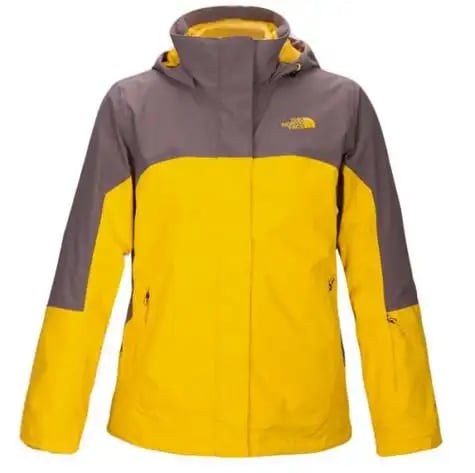

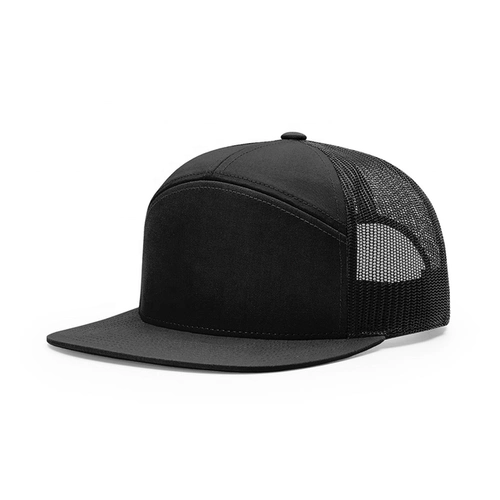
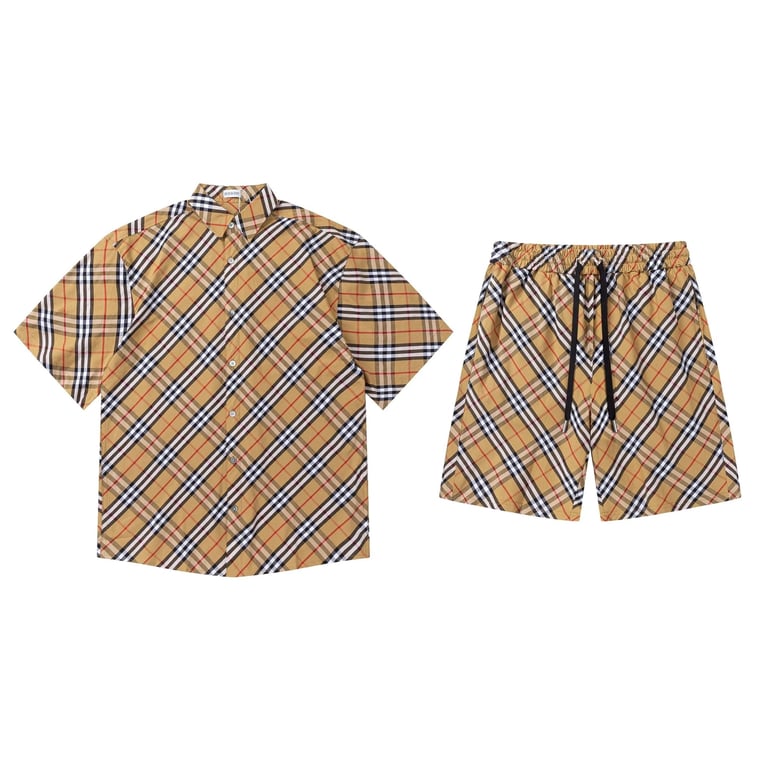
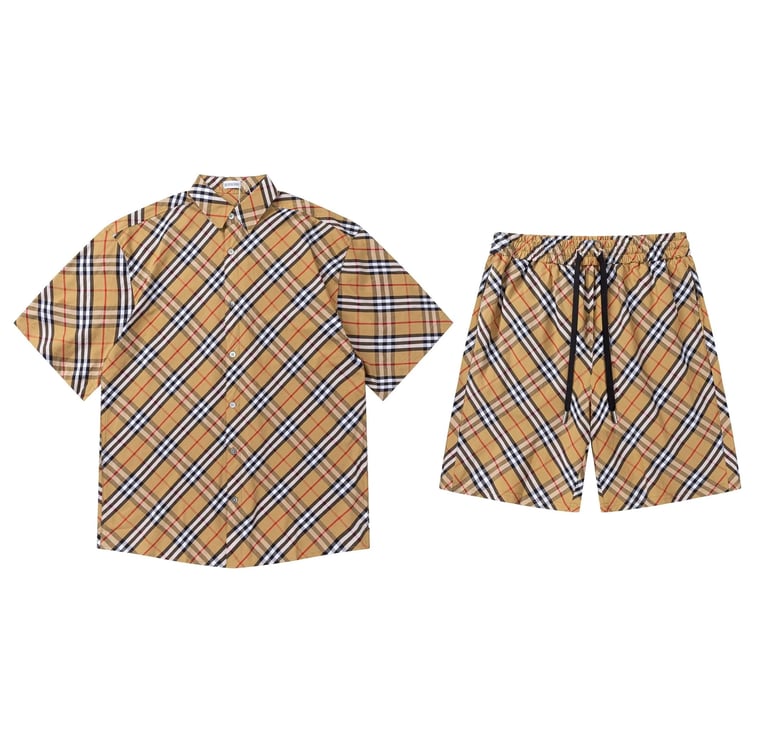
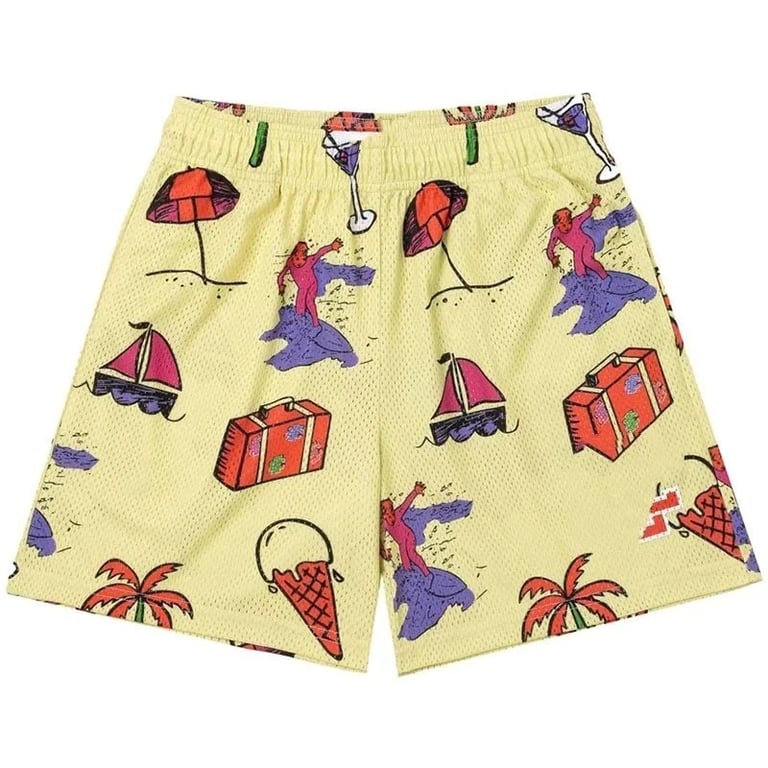
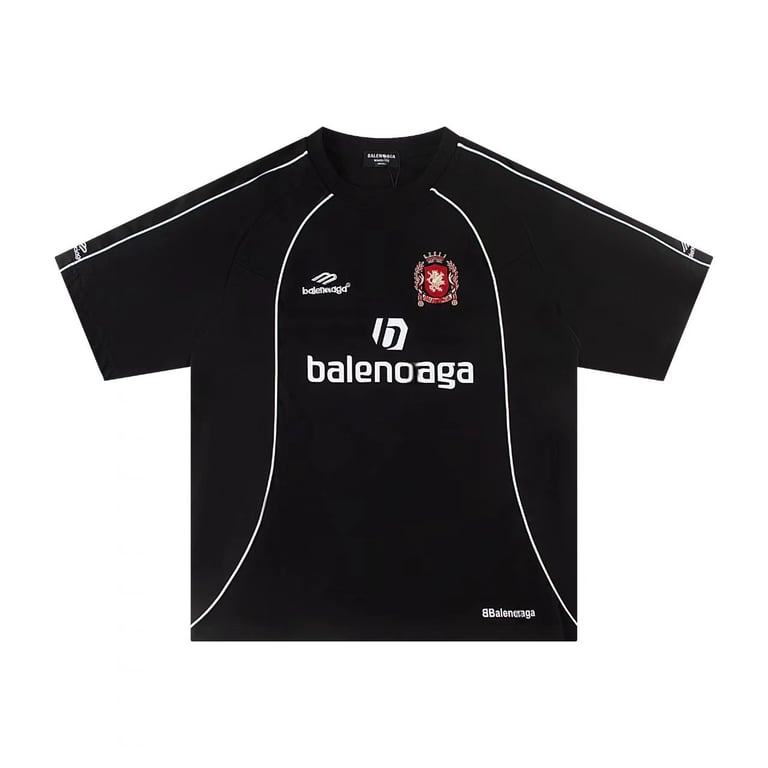



🌐 CNshopper spreadsheet improving cross-border ecommerce user experience design|UX flow + decision clarity + browsing structure
In cross-border ecommerce environments, user experience is shaped not only by product availability but by how efficiently information is structured across browsing, comparison, and decision stages. When product data is distributed across multiple suppliers and inconsistent platforms, users must repeatedly interpret listings and reconstruct comparison logic manually, which increases cognitive load and slows down decision-making.
The CNshopper spreadsheet introduces a structured UX framework that organizes cross-border ecommerce browsing into hierarchical information layers, structured comparison systems, and guided decision flows. Together with CNshopper links, it provides entry points into pre-organized product clusters, reducing randomness in navigation and improving decision clarity.
🌐 Discovery stage behavior in cross-border ecommerce
Users typically enter ecommerce systems through fragmented exposure points such as search engines, platform recommendations, or supplier listings. At this stage, the main challenge is not product shortage but lack of structural entry logic.
The CNshopper spreadsheet reorganizes this stage by grouping products into predefined categories, allowing users to start from structured clusters instead of random listings.
🔄 Evaluation stage and comparison logic
During product evaluation, users frequently switch between multiple suppliers to manually reconstruct differences in price, specification, and quality. This creates high cognitive load and repeated comparison loops.
Within the CNshopper spreadsheet, similar products are grouped into comparison-ready clusters. This allows evaluation to happen inside a single structured environment rather than across fragmented pages.
🧭 Decision stage and flow compression
At the final stage of selection, users often face too many similar options, which slows down decision-making or leads to hesitation.
The CNshopper spreadsheet reduces this complexity by pre-filtering product sets and narrowing decision boundaries. At this stage, CNshopper links act as direct pathways that shorten the transition from browsing to selection.
📦 Information structure and product organization logic
Cross-border ecommerce data is often inconsistent across suppliers, making direct comparison difficult. The CNshopper spreadsheet solves this by standardizing key attributes such as price, size, material, and supplier type.
Products are then grouped into category-level and cluster-level structures, forming a unified comparison system that reduces interpretation effort.
⚠️ Core friction points in cross-border browsing systems
Common UX problems include repeated listing exposure, inconsistent formatting, and lack of structured navigation paths. These issues force users into manual comparison behavior, increasing cognitive load and slowing decision-making.
The CNshopper spreadsheet reduces this friction by embedding structured logic directly into browsing flows.
🔄 Browsing optimization through structured grouping
Instead of isolated product listings, users interact with grouped clusters of similar products. Duplicate entries are merged, and standardized formats ensure consistent evaluation across suppliers.
The CNshopper links system further reduces search loops by providing predefined navigation entry points into structured environments.
🧠 User behavior adaptation in structured environments
When browsing becomes structured, users naturally shift toward grouped comparison behavior. Decision cycles become shorter, navigation becomes more predictable, and cognitive load decreases.
Structured environments also increase trust because consistent information reduces uncertainty during selection.
📊 UX research perspective on decision efficiency
From a behavioral perspective, cross-border ecommerce efficiency depends on reducing uncertainty through structure rather than increasing information volume.
Hierarchical organization improves decision speed.
Grouping reduces manual filtering effort.
Behavioral consistency improves usability across sessions.
Predictable navigation increases user confidence.
The CNshopper spreadsheet integrates these principles into a unified browsing system where discovery, comparison, and decision-making follow consistent structural pathways.
In cross-border ecommerce systems, inefficiency is not caused by lack of product access but by fragmented information architecture that forces repeated reconstruction of comparison logic. The CNshopper spreadsheet embeds structured navigation directly into browsing environments, allowing users to operate within stable decision frameworks rather than fragmented listing environments.
This transforms cross-border ecommerce UX from fragmented browsing behavior into a structured navigation system where clarity is generated by organization rather than repeated interpretation.


🌐 CNshopper spreadsheet reducing complexity in global shopping decision-making|decision fatigue + product clarity + comparison flow
In global ecommerce environments, users are frequently exposed to excessive product variety, inconsistent information structures, and fragmented comparison environments. While product availability has increased significantly across platforms, the cognitive cost of making purchase decisions has also risen. This leads to what is commonly described as decision fatigue, where users delay or abandon purchasing due to mental overload rather than lack of options.
The CNshopper spreadsheet addresses this issue by restructuring product information into a simplified decision framework. Combined with CNshopper links, it organizes shopping data into clearer comparison flows, allowing users to evaluate products with reduced cognitive effort and improved decision clarity.
📦 Decision complexity sources in global ecommerce
Global shopping complexity does not come from a single factor but from multiple overlapping structural issues.
⚠️ Overloaded product options
Users are often presented with too many similar products without clear differentiation, making it difficult to identify meaningful differences.
⚠️ Fragmented supplier information
Product data is distributed across multiple suppliers with inconsistent formats, forcing users to manually reconstruct comparisons.
⚠️ Unstable pricing signals
Prices vary across platforms and sellers, often without clear explanation for differences in value.
⚠️ Lack of structured comparison systems
Users must build their own comparison logic rather than relying on pre-organized structures.
⚠️ Repetitive browsing loops
Users repeatedly revisit similar products due to unclear decision boundaries.
The CNshopper spreadsheet consolidates these scattered elements into a structured decision environment.
🔄 Five ways CNshopper spreadsheet simplifies decision-making
The CNshopper spreadsheet reduces global shopping complexity through five key structural mechanisms.
📊 1. Product grouping simplification
Similar products are grouped into unified clusters, reducing repeated exposure to near-identical listings.
📊 2. Attribute normalization
Key product data such as price, size, material, and supplier type is standardized for easier comparison.
📊 3. Category-based filtering logic
Products are pre-organized into clear categories, allowing users to eliminate irrelevant options early in the process.
📊 4. Comparison-ready layouts
Instead of forcing users to manually compare listings, the spreadsheet provides structured side-by-side comparison environments.
📊 5. Navigation shortcut system
Through CNshopper links, users can directly access pre-structured product clusters without repeating search processes.
🧠 Information filtering logic and cognitive reduction
A key function of the CNshopper spreadsheet is not only organizing information but actively filtering complexity before users interact with it.
Instead of presenting all available data equally, the system applies structured filtering logic that prioritizes:
Relevance over volume
Comparability over raw listing diversity
Structured similarity over fragmented uniqueness
Decision-ready data over unprocessed information
This reduces unnecessary cognitive load by ensuring that users only interact with pre-structured and decision-relevant product sets.
🧭 User decision path optimization
In traditional ecommerce environments, users move through unpredictable browsing patterns before making a decision. This often includes repeated searching, comparison loops, and backtracking between similar products.
The CNshopper spreadsheet optimizes this path by restructuring it into a more linear decision flow:
Users begin with categorized entry points instead of open search.
They then move into grouped comparison environments rather than isolated listings.
Finally, decision-making occurs within pre-filtered product sets that reduce ambiguity.
This structured path reduces unnecessary navigation steps and shortens the overall decision cycle.
🧠 Consumer decision dynamics in structured ecommerce environments
When individuals face excessive product variety without clear structure, decision-making tends to slow down, not because of insufficient information, but because of difficulty in processing and prioritizing available options. As complexity increases, users often rely on heuristics or delay decisions altogether.
In structured environments built around systems like CNshopper spreadsheet, product information is pre-organized into comparable units, reducing the need for mental reconstruction during evaluation. This allows users to focus on relative value differences rather than raw data interpretation. Over time, repeated exposure to structured comparison flows supported by CNshopper links leads to more stable evaluation patterns, where decisions are made with less hesitation and greater consistency.
In global ecommerce systems, complexity is not eliminated by reducing product availability, but by restructuring how information is presented and compared. The CNshopper spreadsheet reduces decision complexity by organizing products into structured comparison flows, filtering irrelevant data, and guiding users through optimized decision paths supported by CNshopper links.
This transforms global shopping from a high-friction decision environment into a structured system where clarity replaces cognitive overload, and comparison becomes a guided rather than manual process.